Penfolds Collection, the real review

Already the Treasury Wine Estates marketing machine has been busy wooing and seducing wine writers with the glossy brochures, flash in store point of sale displays on top of wooden boxes and free sample bottles. There will be more publicity to come to0.

I was invited to the 2019 Penfolds Collection new releases and want to share you with my thoughts on the vintages and on the prices.

Bin 23 2018 Pinot Noir
Blog followers will know my palate leans heavily to Tasmanian and cool climate styles such as Central Otago Two Degrees pinot.
Colour on Bin 23 was light and bright. The nose was layered fragrant overtones of soft strawberry, ripe raspberry but over the top of this hints of prunes. On the palate cherries and strawberries. Quite juicy with hint of vanilla sweetness up front but overall finished very dry. 88/100. $42.00. Better value around. Avoid. Drink 2019 – 2023. 14.5%.

Bin 28 2017 Kalimna Shiraz
Blend of Barossa, McLaren Vale and Padthaway fruit. Deep dark ruby colour. The nose showed fruitcake, cassis and vanilla American oak. The palate has  generous blackberry fruit and peeper. But I found it very tannic and certainly finished extremely dry. 89/100. $42.00. Too expensive. They reckon drink 2020 – 2030. 14.5%.

Bin 150 2017 Marananga Shiraz 
Colour deep and dark. Nose spicy and dark cherries. Palate becomes a full-flavoured, concentrated full bodied powerful red, loved the  chocolate richness and acidity. Well balanced. 93/100. $94.00. Ummm up there on price and only for Penfold  aficionados. They say drink 2020 – 2032. Each way bet here and I would not look at it for 5 years. 14.5%.

Bin 407 Cabernet Sauvignon 2017
I was told that there is no Bin 707 released this year. It was made but relegated. Could it pop up somewhere in the future?
Bin 407 is a blend of Padthaway, McLaren Vale, Barossa Valley, Coonawarra and Wrattonbully fruit. Wow what a job to blend this lot. Colour is deep in the primary spectrum. But I found the nose stalky and a little green with just slight hints of vanilla and blackberries. Although it was firm and chewy it finished very dry on the back and sour. The fruit has a lot of work to do.  89/100. $94.00. They say drink now  – 2030. I don’t think so and it needs a lot of time to come together. 14.5%

 Bin 389 Cabernet Shiraz 2017
A blend of fruit from McLaren Vale, Barossa Valley, Padthaway and Wrattonbully,   This ‘Baby Grange’ was matured for 12 months in  previous-vintage Grange casks. As you would expect a very deep red appearance. On the nose     liquorice with hints of mint and vanilla oak. A little tannic with dark complex fruit and finishes long in length. Beautifully balanced. 94/100. $94.00. Notice the last 3 wines are deceptively marketed just under $100.00! Drinking window 2021 – 2030. Probably right. 14.5%.

St Henri Shiraz 2016
Deep, dark colour. Nose almost closed but found liquorice and spice. Rich on the palate with lots of dark chocolate and new oak and finishes with power. Chewy too. This is a ripper but needs time to come together. Excellent long-term ageing potential if you live long enough. 96/100. $105.00. Value. Drink 2022 – 2040. 14.5%.

 RWT Bin 798 Barossa Valley Shiraz 2017
A deep, dark, brooding red in colour, Pronounced coffee and chocolate and soft pepper fills the nostrils. Wow what do we have here! This continues through to the palate mixed with black cherry, spice and herbs. This is all about Barossa. Its a fruit explosion. Brilliant. 97/100. $160.00. Ummm if only I could afford it! Drink 2024 – 2040. 14.5%.

Grange 2015
Fruit is from Barossa Valley, McLaren Vale, Clare Valley and Magill. Dark rich red to the rim. Nose of liquorice. chocolate, and oak. On the palate it is tough to summerise though. Long combination of fruit and distinctive American oak. I reckon coconut, blackberry dominate amongst the pronounced tannins.  Where this will go is anyones guess but I note its being given 98 – 100 points all over the place. Who would know? Amazingly the brochure Penfold’s gave me said a drinking window of 2020 – 2050! This is way off the mark – at least 10 years to come together and I will be dead by 2050. $715.00. The Treasury marketing steamroller has worked its magic with the scribes. Personally give me 94/100. 14.5%.

In Summary.
This release is for Penfold drinkers with deep pockets who want to continue their cellar sequence. Only the RWT is the wine I would rush out to purchase and drink in my lifetime. In fact I could get five bottles of RWT for one bottle of Grange. Did you notice that all eight wines are 14.5%? And what about the prices? Your decision!

Posted in Features, New Releases, Wine tastings | Leave a comment

55 NZ Sauvignon Blancs assessed

New Zealand oaked Sauvignon Blanc

I want to say from the outset I am not a Sauvignon Blanc drinker – too  much freshly cut green grass and asparagus for me but I do know many of you and your partners do not mind this style.

So 53 New Zealand Sauvignon Blancs (using any level of barrel fermentation or maturation) submitted their latest release for assessment by three MW’s. I have turned to them for tasting notes.

Out of the 53 wines submitted only 3 were classified as outstanding and 18 were highly recommended. A tough result so you will get a good heads up on the best that NZ can offer.

Marlborough is the spiritual home of New Zealand Sauvignon, representing 89% of the country’s plantings, and its dominance was reflected in this tasting, accounting for three-quarters of entries.

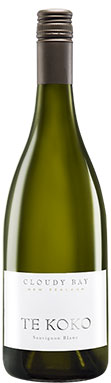
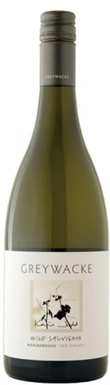
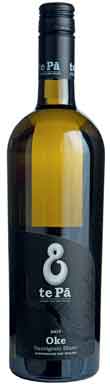
There were some sublime examples: Cloudy Bay’s Te Koko, Greywacke’s Wild Sauvignon and Pā’s Oke. All were different providing interplay of the relationship between Sauvignon Blanc and oak.

When you put Sauvignon Blanc in oak you are compromising the high aromatics. Getting it right is a certainly a challenge but when you do get it right it’s very nice. The problem is that the mass produced commercial styles that land here seem to have educated the Aussie consumers palate in the wrong direction and because of that have the same style.

The use of new oak currently plays a minor role in the most successful oak-influenced Sauvignon Blanc styles. Older barrels are usually chosen for their contribution to texture rather than flavour. Barrel fermentation followed by maturation tends to produce a more harmonious expression.

There were just three wines that took a leaf out of the Bordeaux (and Margaret River) book, blending Semillon with the Sauvignon Blanc: Te Mata’s Cape Crest, Seresin’s Marama and Hans Herzog’s Sur Lie which included a small splash of Semillon.

You may recall that Margaret River tried all different percentages of a Semillon/Sauvignon blend and some makers are still struggling to get the combination right.

People in my view want clean Sauvignon Blanc, but if it’s got oak and complexity they are lost. You really need to have it with food, which is not what New Zealand Sauvignon Blanc is necessarily known for.

These styles are not New Zealand’s bread and butter, but there is a diverse array of aromatics and textures for you to consider.

Top New Zealand oaked Sauvignon Blancs from the panel tasting:

Cloudy Bay Te Koko Sauvignon Blanc 2018

wine

Has notes of blackcurrant, nectarine and green capsicum which come together harmoniously in this light-bodied, crisp and vivacious Sauvignon Blanc.

This has evolved beautifully into an elegant, buttery nose with notes of lemon and citrus peel, while restrained acidity fuels a lovely, lingering finish.

There is a good overall balance here and it has held up very well in bottle, with a perfectly-pitched oak influence that has not swamped the fruit.

Drinking Window 2019 – 2023. 96/100. $49.95

Greywacke Wild Sauvignon Blanc 2019

Greywacke, Wild Sauvignon Blanc, Marlborough, 2016

Greywacke (pronounced ‘Greywacky’) is the Marlborough label of Kevin Judd, one of the region’s pioneer winemakers after having directed the first 25 vintages at Cloudy Bay as their founding winemaker.

This was another Sauvignon in the tasting to have  a creamy palate, which fills out with tangerine, vanilla and spice.

Beautiful style. It’s balanced by appley acidity and good intensity.$28.00


Te Pa, Oke Sauvignon Blanc

Te Pa, Oke, Marlborough, New Zealand, 2017

One MW said: hugely aromatic – reminiscent of ice cream cornets, nougat and vanilla. The beautifully textured and rounded palate offers plenty of concentration.

Another: flinty on the nose, before flowing beautifully on the palate, some stone fruit and dried fruit in the background. Stunning.  And: creamy, rich on the nose,  the palate boasts a satisfying depth of gently grassy fruit.

Drinking Window 2019 – 2022. 93/100. $32.00


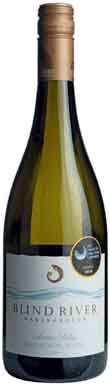
Blind River Sauvignon Blanc Awatere Valley

wine

Classic gooseberry aromas welcome a vibrant yet rounded palate, enlivened by a flush of fresh acidity and well-judged oak.

Still very youthful.

Perhaps a bit over priced.


Drinking Window 2019 – 2021. 92/100. $58.00

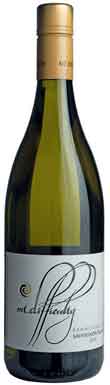
Mt Difficulty, Sauvignon Blanc, Bannockburn, 2018

wine

Admirably pure and precise.

A delightful interplay between its freshness of fruit and finely-poised oak-derived characters.

But again you are paying top dollar for this.

Great example from Central Otago though.


Drinking Window 2019 – 2021. 92/100. $60.00

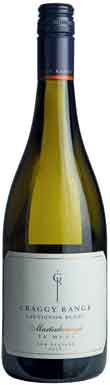
Craggy Range, Te Muna Sauvignon Blanc, Martinborough, 2018 

wine

Bright and perky.

Offers notes of passionfruit, lime and gooseberry wreathed in fine, elegant acidity.

Flavoursome, but not over the top.

Good value.


Drinking Window 2019 – 2021. 91/100. $25.00

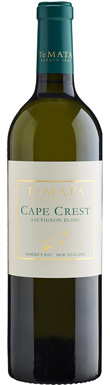
Te Mata, Cape Crest Sauvignon Blanc, Hawke’s Bay, 2018

New Zealand Sauvignon is identifiable even against the most tropical of Loire Sauvignons, even though this wine is from Hawke’s Bay rather than Marlborough.

wine

It’s actually the intensity that stands it apart.

It has sweet notes of apricot, fresh mango and a hint of banana. Some oak influence lending woodiness to the juicy palate, with plenty of warmth and acidity.

It clearly needs more time to integrate.


Drinking Window 2019 – 2023. 91/100. $22.00


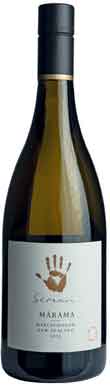
Seresin Estate, Mārama, Marlborough,
wine

Still gradually evolving. Has overtones of baked apple and dried citrus flavours, with oak-derived elements on the still firm finish.

Serious stuff, with more to come.


Drinking Window 2019 – 2023. 91/100. $26.00


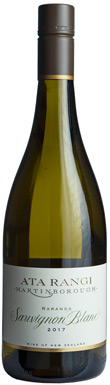
Ata Rangi, Raranga, Martinborough, Wairarapa, 2017

wine

Easy to appreciate, bright and forward, with subtle oak, zesty acidity and a touch of spritz. Will evolve well.

Drinking Window 2019 – 2022. 90/100. $25.00

If you think New Zealand Sauvignon Blanc can only be fashioned in one style it’s time to taste the country’s leading variety in its increasingly varied interpretations. The fruity yet green style for which the country has become world famous is still a mainstay, but winemakers are now seeking to make Sauvignon Blanc that is less reliant on primary fruit aromas and more interesting texturally.

Others to consider in rating order

2018 Russian Jack Sauvignon Blanc $22.00

2018 Rapture Springs Bull Paddock $22.00

2018 Mahi Wines Marlborough $23.00

2018 Astrolabe Sauvignon Blanc $23.00

2018 Vavasour Sauvignon Blanc $25.00

2018 Lawsons Dry Hills Reserve Sauvignon Blanc $25.00

2018 Te Whare Ra Wines Sauvignon Blanc $26

2018 Villa Maria Reserve Wairau Valley Sauvignon Blanc $28

2018 Whitehaven Awatere Single Vineyard Sauvignon Blanc $28.00

2018 Dog Point Vineyards Sauvignon Blanc $29.00

2018 Villa Maria Single Vineyard Taylors Pass Sauvignon Blanc $30

2018 Saint Clair Family Estate Wairau Reserve  Sauvignon Blanc $34

2018 Rapaura Springs Rohe Blind River Sauvignon Blanc $40.00

2018 Pyramid Valley Sauvignon Blanc $45.00

2018 Fairhall Downs Family Estate Sauvignon Blanc $24.00

2018 Framingham Limited Edition F-Series $25.00

2018 Blank Canvas Sauvignon Blanc $26.00

2018 Churton Sauvignon Blanc $27.00

2018 Villa Maria Reserve Clifford Bay Sauvignon Blanc $27.00

Increasingly sophisticated Sauvignon Blanc continues to emerge. If you thought you knew New Zealand Sauvignon Blanc and have previously dismissed it for being overly fruity, perhaps it’s time to think again and try some of the alternative styles that Kiwi winemakers are now dishing up. Check out the wines above which are in rating order. Google to find where you can buy.

NZ Sauvignon Blanc: The Facts

1975 First Sauvignon Blanc planted in Marlborough

1979 First Marlborough Sauvignon Blanc produced by Montana

2002 Sauvignon Blanc becomes New Zealand’s most planted variety

2018 Sauvignon Blanc covers 23,102ha, representing 60% of New Zealand’s vineyard area and 86% of exports

(Source: NZ Winegrowers Annual Report 2018)

 Know your  Sav Blanc vintages

2018 Hottest summer on record, leading to early ripening. Coastal regions affected by ex-tropical cylones in February, delaying harvest and elevating botrytis pressure. Ripe Sauvignon.

2017 Difficult season with a cool start and poor summer. Wet, warm and cloudy autumn created botrytis pressure. Early picked crops were the most successful.

2016 Record crop. Warm, often humid. Harvest period was dry and sunny. Excellent whites and highly attractive reds.

2015 Dry and warm. Small, low yielding crop after early frost and cool flowering. Ripe, perfumed and fully flavoured wines.

2014 Record early vintage. Dry and warm summer with little disease pressure. Excellent wines across the board.

2013 Touted as the vintage of a lifetime with a warm, incredibly dry summer and autumn. Ripe, concentrated wines across the North and South Islands.

Posted in Wine tastings | Leave a comment

Decanter World Wine Winners 2019

The results are in for the 2019 Decanter World Wine Awards. Ok, there are probably too many wine shows – particularly here in Australia – but this is the world’s largest wine competition,  judged close to 17,000 wines, entered from 57 different countries. More than 280 of the world’s top wine experts tasted and debated the merits of each bottle entered. Only the top 50 were awarded the accolade of “Best in Show” of which Australian wines collected six of these placing them 3rd on the global leaderboard behind France and Spain.


The Australian regions that got the BEST IN SHOW  gongs were diverse. Check them out for your cellar but remember wine is a subjective

  • The Kilikanoon Attunga 1865 Shiraz 2014 from the Clare Valley,
  • Dawson James Chardonnay 2015 from Derwent Valley in Tasmania,
  • Brokenwood Graveyard Vineyard Shiraz 2017 from  Hunter Valley,
  • Shingleback “The Gate” Shiraz 2017 from the McLaren Vale,
  • McGuigan Bin 9000 Semillon 2007 from the Hunter Valley,
  •  Campbells Rare Merchant Prince NV Rutherglen Muscat

Wineries across Australia totalled 930 entries and in addition to its six Best in Show accolades, Australia was awarded a massive 16 platinum medals, 52 gold medals and 289 silver medals.

Not bad eh?

Western Australia’s Margaret River was the top performing region, taking the most medals in Australia of which the Vasse Felix Heytesbury Chardonnay was awarded a platinum medal, scoring 98 points.

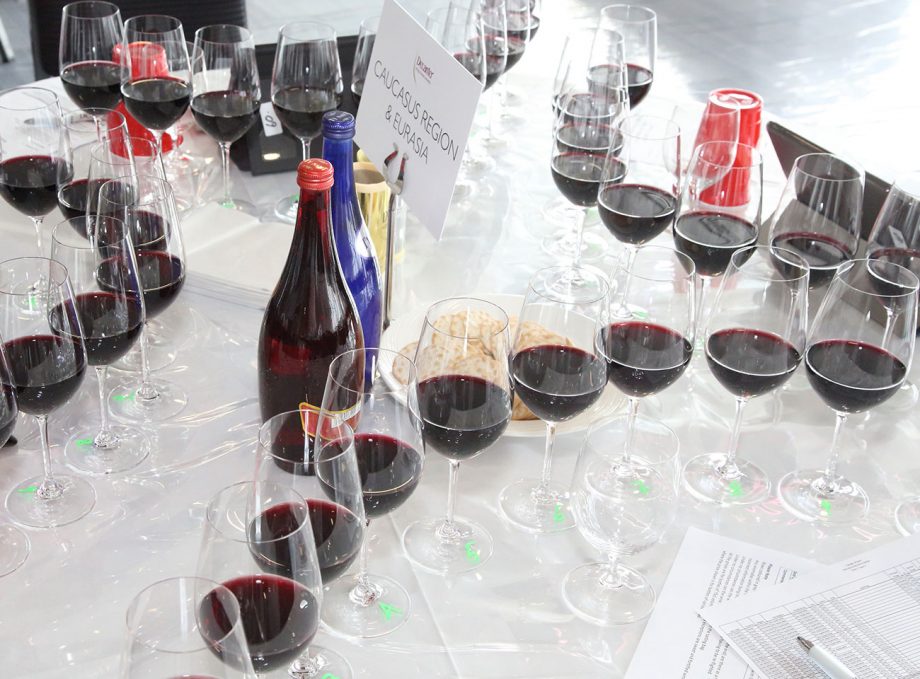
All 16,500+ wines were kept in a special temperature comtrolled  warehouse during judging week before they were taken to their respective panels for tasting.

Below, how the wines were presented for the blind tastings

Posted in Wine tastings | Leave a comment

How to drink alcohol when flying

 I recall many years ago seated next to me on a trip to HongKong was a renowned wine judge. During the trip he only drank champagne. So I asked him why?

He explained that wine does not taste the same as on the ground because most aircraft cabins have low relative humidity, which dries out the nasal receptors, resulting in a diminished sense of smell and taste. He said as a wine judge it would play havoc with his palate and ability to recall the sensory of wines from around the world. Champagne on the other hand does not change in the air.

This got me thinking and investigation reveals that like food, wine will not taste the same as on the ground.

The best-performing wines on board are varietals because they are the most aromatic. Hardness, astringency and bitterness are accentuated in the air, so avoid selecting acidic or tannic styles from the list. The best are bright and vibrant wines showing freshness and lifted fruit. Do not discount riesling, Australian shiraz with its soft, ripe tannins, or a contemporary pinot noir.

The more you can smell, the more you can taste. Do whatever you can to increase the aromatics in the wine you are given. Glasses are often smaller than in a top restaurant, so gently swirl the wine to increase its exposure to oxygen. Red wines unfortunately are often served relatively cool, so allow the wine to warm up in the glass by gently caressing it.

Inflight service

Your best strategy is to drink less, but drink better and stay hydrated.  Hard to do I know when confronted with the airlines top selected wines from around the world. Because we all dehydrate during a long flight, drinking plenty of water is a good strategy. One glass of red followed by one glass of water!

But how will drinking affect how you feel on the flight—and after you land?

Lets look at some technical stuff and proven by research.

A common concern when it comes to in-flight drinking is altitude. When you are at higher-than-usual altitudes, it becomes more difficult to transport oxygen throughout the body. Its called relatively hypoxic— meaning you are at a lower level of oxygen than your body is used to.  What the body does is respond to that—it increases your respiratory rate a little bit, it increases some of the metabolic responses, it increases your heart rate a little bit to deliver more blood.

I hope I am not scaring you with all this!

Mostly you’re not going to feel the hard-core effects of severe altitudes when you fly—many people don’t even notice a difference. Thats because airlines do a pretty good job of maintaining a pressure in the cabin that allows for safety from extreme altitude issues, In general, flying at 35,000 feet is not going to have an impact much more than, say, 5,000 or 6,000 feet.

Combined with a lower oxygen pressure (even in a pressurised cabin), you might ‘feel’ more drunk, given that your body has to work a little harder to carry oxygen to vital tissues, combined with the sedating effects of alcohol, Despite this, in reality, you aren’t any more ‘drunk’ than you would be at sea level—you have the same blood-alcohol concentration.

I hope you are still with me.

You know how sometimes the cabin feels stale? That’s because the filtered air that’s circulated throughout the cabin holds less humidity than what we’re used to at sea level. This dryness essentially sucks the moisture out of the body.

You can lose more fluid while you are flying, to the tune of about 150mL over an eight-hour flight. Additionally, the dry air can make you feel thirsty. All in all, flying tends to make people a little more dehydrated.

If you combine alcohol plus altitude’s effects on your hydration status, it will absolutely impact how you feel the next day.

Though altitude effects and dehydration are certainly important to keep in mind, they don’t need to stop you from ordering the next time the flight attendant passes by with the drink cart. Just be mindful of why you’re craving that glass of wine.

Airlines that do not serve alcohol.

Royal Brunei Airlines, Saudi Arabian Airlines, Turkish (domestic) Airlines, EgyptAir, Kuwait Airways, Pakistan International Airlines, Iran Air and Iraqi Airways. I have no further comment.

I must go now because the hostess is approaching with the wine list and I intend to give it a nudge…followed by water of course!

What wines have you enjoyed in the air? Tell me.

Posted in Features | Leave a comment

Don’t knock Cleanskins

I recently enjoyed a blind tasting of 13 cleanskin wines aged 3 years plus from various cellars. Naturally they varied in quality but did spring up a remarkable gem.

This 1974 Murray River Red, Bin 537 was purchased for 65 cents from The Vintage Club, set up by Dan Murphy in a gallery in Chapel Street, Melbourne in the 1960’s. I got quite emotional drinking this 45 year old wine as its condition was exceptional. Soft lingering liquorice and chocolate overtones all through the palate finishing with a slight sweet vanilla finish.More remarkable was the contents were below lower shoulder and frankly I produced it as a curiosity only. I suspect it must have been a Rutherglen vineyard as a wine of this age could not really have come from anywhere else.


What a fantastic drinking experience.

This got me thinking. Do current cleanskins still maintain quality and value?

Cleanskins really became prominent in Australia in the early 2000’s as a way for the wine industry to manage a large oversupply of wine. Also, at that time the price of cleanskin wine dropped to around or below the price of bottled beer or even bottled water.

The former Gallery in Chapel Street. Home of the Vintage Club.

But it was the colourful Dan Murphy in the 1960’s and 70’s that was the founder of the cleanskin wine industry. In those days wineries did not have cellar doors and were struggling to dispose of their vintages and over supply so they would approach Dan and his Vintage Club concept and offer the vintage as a cleanskin so the source would be anonymous.

There is a famous true story that Penfold’s in the late 70’s were going through a financial crisis and sold Dan 45 gallon drums of St Henri which was on sold as a cleanskin for $1.10.

A cleanskin wine is usually from a commercial winery that decides not to sell it under their own parent label but sell it at very sharp prices off the normal price mostly in dozen lots. The labels usually only show the grape varietal and the year of bottling, as well as other information required by law such as alcohol content, volume, additives and standard drink information. But beware there can be plenty of surprises

1967 cover of The Vintage Club newsletter showing the months Bin end cleanskins selections.

Sometimes the wine in question may have been a branded wine that was originally sold at a higher price and then re-labelled as a cleanskin or they may be wines produced solely as a cleanskin. Consequently, the quality of various batches of cleanskin wines can vary significantly from bottling to bottling.

When we had little money we would buy a bottle of every cleanskin sold at the store, mask them and taste and the best was to be our home consumption. Boy there were some shockers I can tell you! But this was not a bad ploy so my advice even today is to avoid buying a case without tasting first or knowing it’s origin.

Many producers have to find inventive ways to turn their juice into profit so cleanskins allow them to quietly reduce their levels of excess stock – whether it is a prestige brand’s bin end or a boutique winery forced on balancing its accounts. It can be from a cancelled export order that had to have a different front and back label to meet the laws of that country. It could be that they ran out of labels during the bottling run.

Also when a winery has had trouble selling a certain line or need to clear the warehouse, or empty their wine tanks before the next harvest they may package it as a cleanskin.
But beware, some companies use it as a way to clear out a blend that is not as the winemaker expected, or can be the ends of several tanks or barrels that did not make the intended label or there could have been a slight mistake during bottling such as the level of sulphur, or too much exposure to oxygen and the wine will age faster than desired.

The wines are usually so cheap, insist the retailer open a bottle and pour a free sample to taste.  If you like the wine buy because finding the same wine again will be difficult.

DO YOU HAVE A CLEANSKIN STORY.

SHARE IT WITH  US.

Posted in Features | Leave a comment